.png?width=1200&height=497&name=custom_thumbnail_large%20(2).png)
MH Blog
Bath
Homeownership

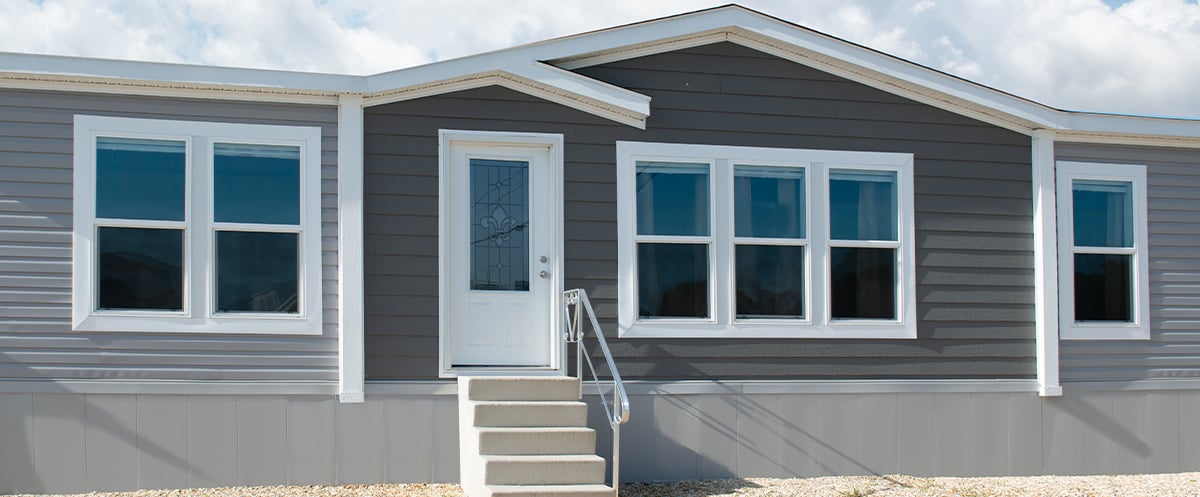
If your mobile home's heating or cooling system is on its last leg, picking the right replacement is a big deal. Manufactured homes aren't built like site-built houses, and their HVAC setups aren't either. They need equipment that fits the space, matches the airflow, and plays by the right rules. Put in the wrong unit and you’ll pay for it — higher bills, lousy comfort, and repairs that never seem to end.
Before you drop money on a new air conditioner, furnace, or heat pump, it’s worth knowing how these systems actually work in a manufactured home. The right fit matters.
Most systems don’t quit overnight. They fade. They struggle. They give you hints long before they die. If you’re seeing any of these signs, it might be time to stop patching and start planning:
According to Andrei Lowry, HVAC Service Manager for Style Crest, "The single biggest factor we see with systems that wear out prematurely is that the homeowner did not have regular maintenance and system checks performed. It's just like a car that never gets the oil changed — sooner or later you'll have an emergency."
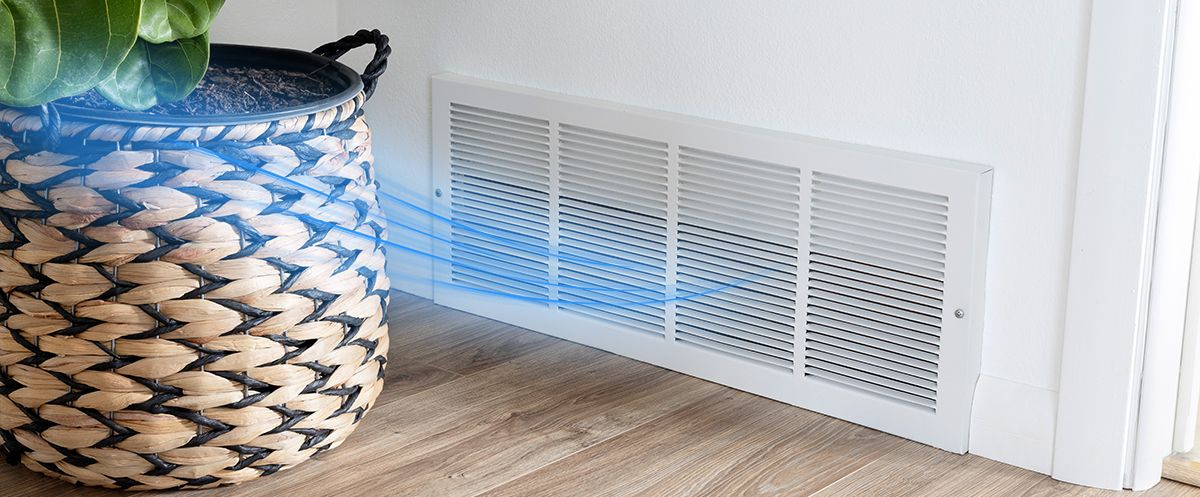
Installing an HVAC system that isn't properly sized or designed for a manufactured home can lead to major performance and comfort issues. Put in the wrong system and you’ll feel it—and hear it.
Here’s what usually goes wrong:
Andrei Lowry explains two of the most common issues are dimensional fit and airflow issues: "Dimensional fit issues usually present themselves during installation, and require additional labor upfront," he said, "But air flow challenges can be a little more subtle, and the issue may not be clear until after installation."
While most manufactured homes built after 2020 include larger utility closets and more room for HVAC equipment, the indoor footprint isn't the only factor to consider. Manufactured homes have different ducting, electrical, and venting specifications, too.
When working with an HVAC contractor to find a replacement unit, account for a few critical factors to ensure your new system fits perfectly, stays up to code, and runs reliably:
When you’re replacing an HVAC system in a mobile home, the big choice is usually between a split system and a packaged unit. With split systems, the furnace sits in the utility closet, the condenser lives outside, and the ductwork runs through the crawlspace. Packaged units bundle everything into one outdoor box, but this can be tricky with the low-profile build of a manufactured home. If you go with a packaged unit, choosing one that's designed for manufactured homes ensures that it's lower profile, so it can sit neatly, level with the skirting.
If you’re trying to decide between the two, think about your climate, how much space you have around the home, and whether you prefer keeping equipment indoors or outside. For a lot of homes — especially in Florida and the rest of the South — the setup of a packaged unit is clean, simple, and easy to work with. These units are comparably easy to install and maintain, while delivering consistent, energy-efficient heating and cooling in a mobile home.
But packaged units aren’t the answer everywhere. Once you get into colder northern climates, giving up a dedicated furnace is a real tradeoff. A split system simply handles winter better.
If you're ready to replace your HVAC unit, it's critical to work with a contractor who understands your priorities, including your budget. Full replacements can be expensive and unexpected, but the right technician with experience in mobile home systems can often make a short-term repair that buys you the time you need to save for a full replacement later. Some contractors also offer financing options, so you can pay over time and ease the burden on your wallet.
For over 50 years, Style Crest has been the premier choice for manufactured housing, offering heating and cooling systems engineered specifically for manufactured homes and connect to your existing floor ducts. By choosing a brand built entirely for your type of home, you avoid expensive structural modifications and enjoy reliable, HUD-certified comfort for years to come.
Explore the exact specifications, documentation, and expert resources you need at Style Crest to help make your upcoming installation as smooth and efficient as possible.