MH Blog
All Locations
Skirting

If you've just received the keys to your first manufactured home, congratulations! Moving in is exciting, and there's a lot to look forward to. While you prepare to unpack boxes, arrange furniture and make the home your own, it can be helpful to walk through each room, locate major systems and understand what makes the home uniquely yours.
In this guide, we’ll discuss some things in and around your home you should familiarize yourself with. Think of it as an orientation, not a checklist with deadlines.
Learning about your home early can make future maintenance, service and upgrades much easier. Start by locating your home’s systems:
Gather and store any manuals and warranty documents for these systems in a safe place. You may need to reference them later for servicing or repairs.
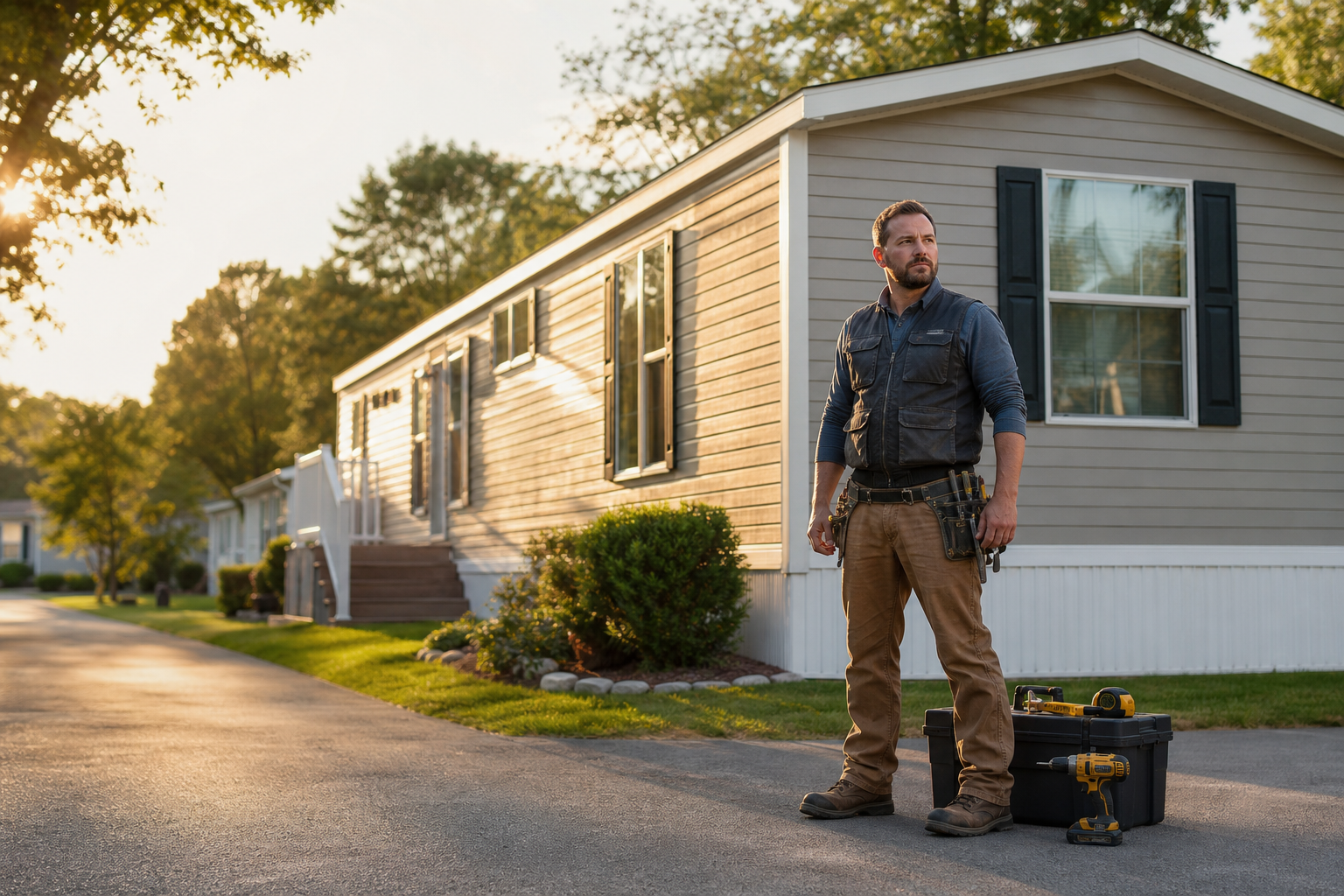
Walk around the exterior of your home and assess the general condition. Outside components to check include the:
Only check these if they are clearly visible and safe to access. Make sure they can be easily opened and closed and that animals and other pests can’t get in.
Many exterior components are sized specifically for manufactured homes. If replacements are needed, a dedicated manufactured-home product supplier can help you get the right fit and finish.
Open and close every door in your home and check the locks. Leveling issues can cause doors to stick or not latch all the way. Also, notice how windows seal and latch. Windows that don’t close properly could increase your energy costs, so it's important to have them fixed as soon as you're able to. Remember: replacement doors and windows typically need to be obtained from a manufactured-home product supplier since they require specific sizes that aren’t found at home improvement stores.
Because manufactured homes are factory-built, they may retain moisture since everything is tightly sealed before delivery. That moisture can lead to mold and odors if it’s not addressed. If you need to reduce the moisture content, a dehumidifier can help you reach an optimal level.
Gather important documents and store them in a safe place where you can easily access them. Also, consider scanning and saving electronic copies to have backups. You may need to reference:
If you're in a new home and you have an issue with something down the line, warranty responsibility may differ depending on the system. For example, if your refrigerator doesn’t cool properly due to a failed compressor, an appliance warranty may cover the repair. But if a power surge damages your refrigerator, your homeowner's insurance may cover the repair or replacement.
Get to know important neighborhood contacts so you will know who to call when you need help. After moving in, meet the community manager or maintenance person to understand their processes. In some cases, your community manager might not be on site. Some serve multiple communities, so you'll need to call them instead.
Manufactured homes are built in factories to high standards, but they are often more customizable than you might expect. There are many ways you can change or upgrade your home so it better reflects your style and preferences. Just a few options include:
Unless you live in a manufactured home community with specific guidelines, your home doesn’t have to look like everyone else’s. You can customize it so it’s truly yours and make it feel like a home you're proud to live in.
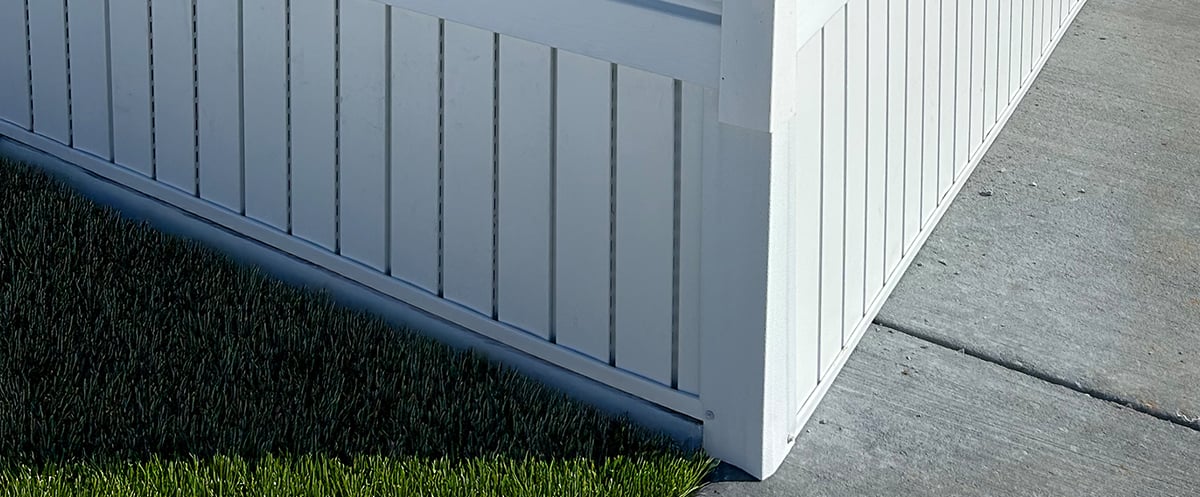
A walkthrough can help you get to know your new home better, but it can be a good habit to continue. Consider walking through your home quarterly when the seasons change. This can help you spot issues that may need your attention, like loose skirting, clogged gutters or water collecting near or beneath your home.
It’s also a good idea to identify a manufactured home parts supplier early, so you know where to turn when something needs to be repaired or replaced. Be sure to read online reviews to find reliable contractors with satisfied customers.
As a new homeowner, getting familiar with your home’s systems, components and unique characteristics is one of the most valuable things you can do. It isn’t about expecting that something will go wrong. It’s about building confidence so you can feel comfortable in your home.
A partner like Style Crest can make all the difference when you’re looking to customize or repair your manufactured home. For ongoing guidance and replacement products that fit your home correctly, explore our manufactured home solutions.