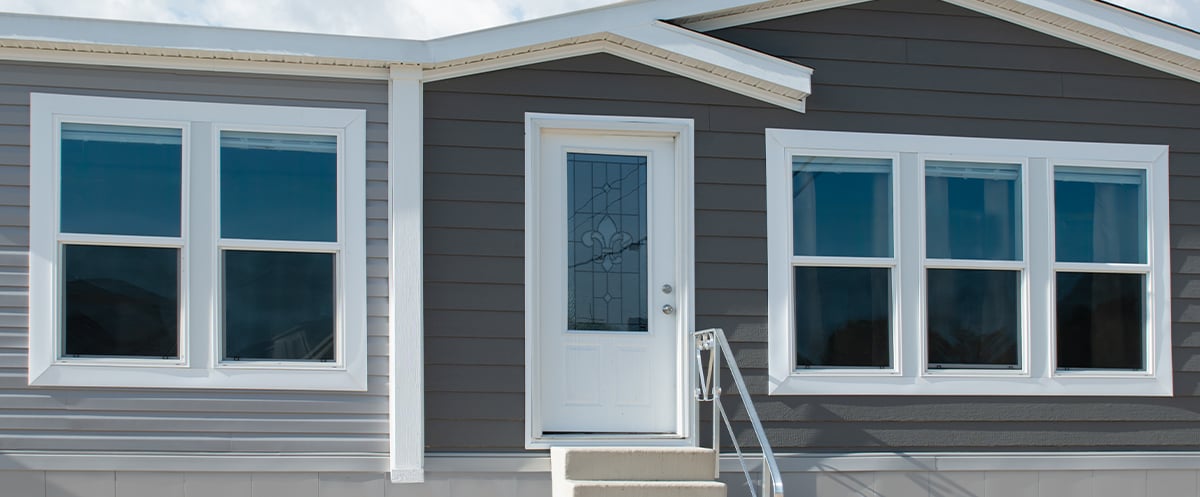
Drafty rooms, fogged panes, and warped frames may be signs that it's time for new windows in your manufactured home. While the materials might be similar, using standard-sized windows designed for traditional homes often just don't fit the wall depths or the openings of mobile homes.
Choosing windows built specifically for manufactured homes can help reduce the need for repeat window replacements, ongoing maintenance, and long-term ownership costs. Learn why standard-sized windows may not work for your mobile home and what to look for when choosing replacements.
Causes of Window Failure in Mobile Homes and Materials that Prevent It
Understanding these common risk factors with ill-fitting windows and improper materials can help you choose replacements that withstand the test of time and environmental stress.
Risk Factor 1: Mismatch to Mobile Home Construction
Using windows designed for site-built homes leads to several issues that can reduce a window’s lifespan. Mobile homes have thinner wall cavities, different mounting flange specifications, and tighter opening tolerances than traditional homes. Standard retail windows may not seal or sit properly, causing leaks, shifting frames, and shorter service life.
Risk Factor 2: Shorter-Lifespan Frame Materials
Frame material also impacts window lifespan. For instance, aluminum is a budget-friendly choice for matching an existing exterior, especially for unexpected repairs, but it often lacks the long-term energy savings and indoor comfort that vinyl provides. Vinyl is often a better investment, as it resists warping, requires minimal maintenance, and remains stable through seasonal temperature shifts.
Risk Factor 3: Weak Energy Performance
Poor energy performance can lead to more temperature transfer and moisture buildup around the frame and glass. Condensation then builds up over time between the panes, seals deteriorate, and HVAC systems have to work harder to keep up. Homeowners end up paying higher utility bills, and community managers receive more maintenance calls. Choosing insulated, Low-E glass helps reduce those risks.
Risk Factor 4: Breakage
Manufactured home communities can be tight spaces, which means the potential for an errant baseball or pebble kicked off a lawn mower is always there. The challenge when you're dealing with a broken window is to avoid rushing into a hasty replacement that ends up not being the right solution. This can open opportunites to further put your home and windows at risk.
Features That Help Mobile Home Windows Last Longer
Windows built specifically for manufactured homes fit the exact opening sizes and wall depths, improving seal integrity and long-term performance. Look for these features when choosing replacement windows for your mobile home.
Stable Frame Materials
Frame material can impact the way a window holds its shape and seal over time. Vinyl frames resist warping and require very little maintenance, helping maintain a more efficent seal and shape over time. Aluminum frames work well for matching existing finishes and achieving consistency across communities. It's a DIY- and budget-friendly option, but lacks the energy-efficiency of insulated vinyl windows.
Insulated Glass That Maintains Performance Over Time
One of the most important factors in both energy performance and lifespan is glass insulation. For example, double-pane insulated glass units include sealed air or argon gas-filled spaces between panes that reduce heat transfer and limit condensation risk, while Low-E coatings lower the cooling load by reducing heat gain.
Construction That Protects the Seal
High-quality, durable windows designed for mobile homes are constructed with welded frame corners, reinforced sashes, and high-quality weatherstripping systems. These features help the windows last longer, reduce service calls, and improve long-term performance.
Getting the Fit Right from the Start
Even the best-built windows won’t perform like they’re supposed to if they aren’t sized correctly for a mobile home’s rough opening.
Working with a distributor that specializes in manufactured homes ensures the window matches the opening from the start. They're easier to install, minimizing any modifications or adjustments that can slow installation, increase labor costs, or create long-term performance issues.
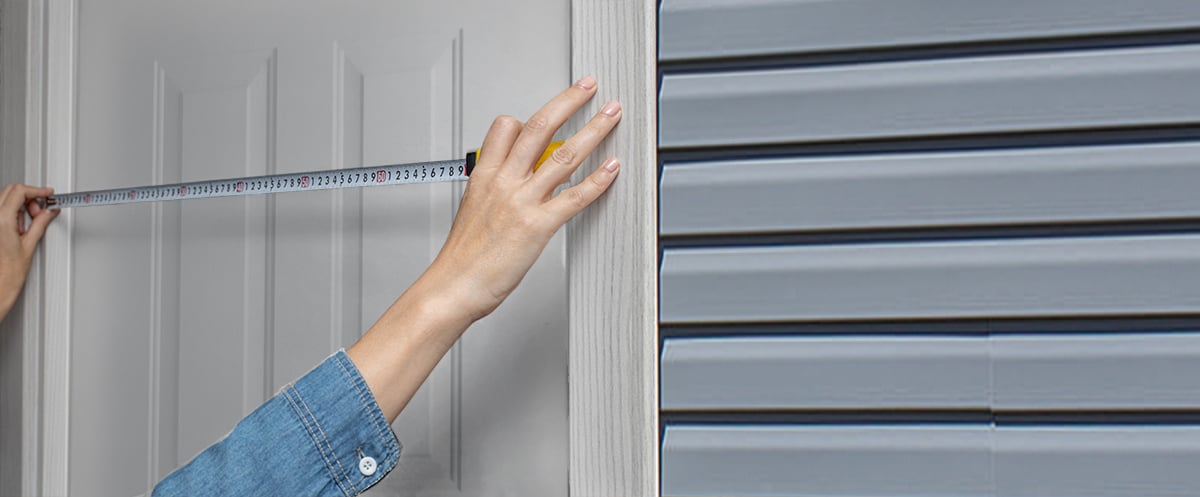
Also, windows specifically built for manufactured homes will offer better long-term seal performance and reduced risk of leaks or premature replacement. You’ll spend less in both utility costs and maintenance over time. For the best results, review how to measure windows for a mobile home before ordering replacements.
Planning for Long-Term Performance Across Multiple Homes
For community operators, it rarely makes sense to replace windows in one home at a time. Standardized manufactured-home window sizes and materials allow decision-makers to maintain a consistent look and dependable performance while also reducing installation variables across multiple homes at once.
Working with a trusted, reliable distributor that understands the needs of manufactured homes helps plan phased upgrades, manage inventory, and support residents while reducing long-term maintenance variability across the community. The result is a more predictable maintenance cycle, improved resident comfort through better energy performance, and a community that looks uniform and well cared for.
Choose the Right Windows for Your Mobile Home
Whether you’re a homeowner or a community manager, choosing the right windows for mobile homes is critical. You’ll limit maintenance issues, improve long-term energy performance, and reduce replacement frequency.
Working with a distributor that understands the needs of manufactured homes is also critical. Explore Style Crest’s manufactured home window solutions or connect with an expert to find the right windows for your homes.